What Is a Basket Strainer and How Does It Function?
Wiki Article
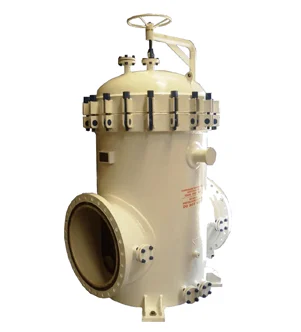
A basket strainer is a mechanical filtration device installed in pipelines to remove solid particles from liquids. Its primary purpose is to protect downstream equipment such as pumps, valves, flow meters, heat exchangers, and control instruments from damage, clogging, or wear caused by debris. Basket strainers are widely used across industries including water treatment, oil and gas, chemical processing, food and beverage, power generation, and HVAC systems.
Unlike fine filtration systems designed for polishing fluids, basket strainers focus on coarse to medium particle removal. They are typically installed where fluids carry visible contaminants such as scale, rust, sand, or process residue.
What Is a Basket Strainer?
A basket strainer consists of a pressure-rated metal housing that contains a removable perforated or mesh-lined basket. Fluid enters the strainer body, flows through the basket, and exits cleaner, while solid particles are trapped inside the basket.
Basket strainers are best suited for high-flow applications where a large volume of liquid needs to be filtered with minimal pressure loss. The basket design offers a much larger open filtration area compared to Y strainers, which makes them ideal for continuous or heavy-duty service.
How a Basket Strainer Functions
The operation of a basket strainer is straightforward but highly effective:
Fluid enters the strainer inlet under system pressure.
The flow is directed into the internal basket.
Solid particles larger than the basket perforation or mesh size are captured.
Filtered fluid passes through the basket and exits via the outlet.
As debris accumulates, the pressure drop across the strainer gradually increases. This pressure differential signals when cleaning or replacement of the basket is required. Many systems use differential pressure gauges to monitor this condition in real time.
Once the basket is full, the system is shut down or isolated, the strainer cover is opened, and the basket is removed, cleaned, and reinstalled.
Key Components of a Basket Strainer
A typical basket strainer includes:
-
Strainer body made from cast iron, carbon steel, stainless steel, or exotic alloys depending on fluid compatibility
-
Internal basket manufactured from stainless steel with perforations or wire mesh
-
Cover or cap bolted or clamped for easy access
-
Drain plug for debris removal and flushing
-
Vent or pressure tap for monitoring system conditions
Each component is designed to withstand system pressure and temperature while allowing repeated maintenance cycles.
Types of Basket Strainers
Basket strainers are available in several configurations to match application needs:
Simplex basket strainers require system shutdown during cleaning and are commonly used where downtime is acceptable.
Duplex basket strainers contain two baskets with a diverter valve, allowing one basket to be cleaned while the other remains in service. These are used in critical processes requiring uninterrupted flow.
Temporary basket strainers are installed during commissioning or startup to capture construction debris before permanent filtration equipment is placed into service.
Why Basket Strainers Are Used
Basket strainers provide multiple operational advantages:
They extend equipment life by preventing abrasive damage.
They reduce maintenance costs on pumps and valves.
They improve process reliability and uptime.
They offer easy inspection and cleaning.
Because they operate without external power and rely solely on system pressure, basket strainers are both efficient and dependable.
Common Applications
Basket strainers are used wherever fluid cleanliness is essential but fine filtration is not required. Typical applications include cooling water systems, fuel oil lines, lubricating oil circuits, chemical transfer lines, and food-grade liquid processing where hygienic stainless steel designs are used.
Selecting the Right Basket Strainer
Choosing the correct basket strainer involves considering flow rate, operating pressure, temperature, fluid type, particle size, and allowable pressure drop. Basket material and mesh size must align with both the contaminant characteristics and cleaning frequency requirements.
Final Thoughts
A basket strainer is a critical yet often overlooked component in fluid handling systems. By efficiently removing unwanted solids, it safeguards expensive equipment, stabilizes system performance, and reduces long-term operational risk. Understanding how a basket strainer functions helps engineers and maintenance teams make informed decisions that improve reliability and efficiency across industrial processes.